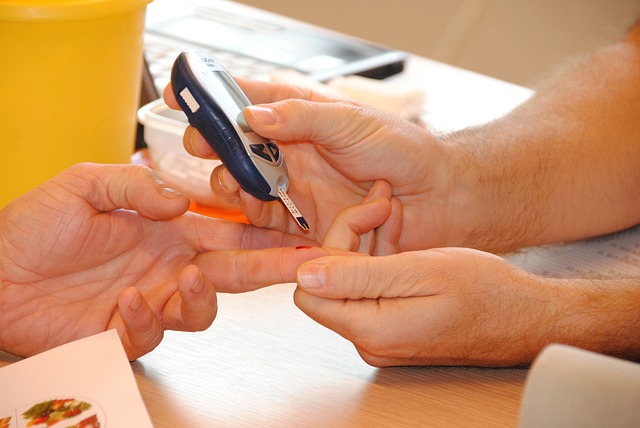




Many of us occasionally take quizzes on various topics. Sometimes they’re just for fun, like discovering which movie character matches our personality, while other times, they can be more serious and help us identify symptoms that might indicate an underlying health issue, such as anxiety or depression. Taking a quiz can guide us in the right direction when we’re unsure how to proceed.
But what about our beloved furry friends? When we’re unsure whether they may need extra help, especially regarding their health, can quizzes actually be useful? The answer is ‘yes’!
Responsible pet parents should observe their dogs’ body language, behavior, and appearance, as these cues can help identify early signs of health issues. By taking a quiz, dog owners can get a clearer picture of whether their paw friends might be experiencing health concerns, such as anxiety, which can affect both their well-being and behavior.
While quizzes are not a substitute for professional veterinary advice, they can serve as a helpful first step in recognizing signs that might otherwise go unnoticed. Furthermore, they allow pet parents to act early and provide the best care for their furry companions.
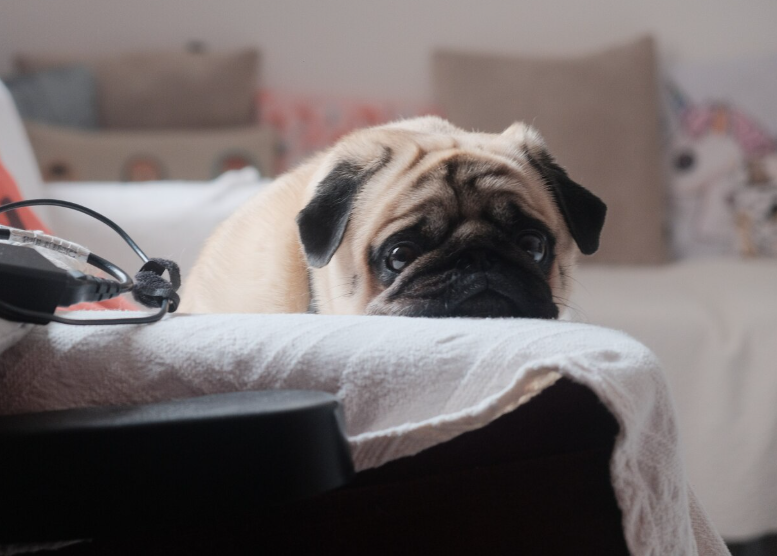
Common Signs of Anxiety in Dogs
Before taking the quiz, it’s helpful to know what anxiety in dogs can look like. Some common signs include:
Excessive Barking
Dogs may vocalize more than usual when they’re stressed, whether you are home or away. This can occur during events such as thunderstorms, fireworks (loud noises), the arrival of new visitors, encounters with other dogs, or any unfamiliar situations in high-distracting environments.
Chronic barking can indicate underlying anxiety that may require attention and can worsen if not addressed promptly.
Excessive Whining
Whining is another way for dogs to express their anxiety or general discomfort, as well as a ‘tool’ to seek attention. Our paw companions may whine when left alone, during travel, or when faced with unfamiliar situations.
Frequent whining can not only be exhausting for dog owners, but it may also indicate that the canine needs reassurance or behavioral support.
Destructive Behavior
Chewing furniture, scratching doors, or digging excessively often appear when dogs feel anxious or insecure. These behaviors can exacerbate when the dog is left alone for long periods or when routines change suddenly. As you may know, dogs enjoy having a routine as it provides a feeling of predictability and safety.
If you want to help your furry friend overcome unwanted behaviors and turn into a happy and confident dog, you should address the cause of the issue. Remember that simply scolding your dog will only worsen their stress and anxiety.
Restlessness or Pacing
Dogs experiencing anxiety may walk back and forth, circle repeatedly, or appear unable to settle down. This is especially common during stressful events, like loud noises or crowded spaces.
Pacing can also indicate anticipation or worry and may also signal that the dog needs comfort and a safe place.
Excessive Licking or Self-grooming
Occasional grooming is completely normal. However, excessively licking themselves or others is a form of a coping mechanism, which can lead to hair loss, sores, or infections.
This behavior is often a sign of emotional stress rather than a medical problem, though both can coexist. Redirecting the dog with toys or interactive play can help reduce compulsive licking.
Reactivity
A behavior can be described as reactive, when it is an exaggerated response to something in their environment, like another dog, a person, or a sudden loud noise. This can be displayed in behaviors like barking, growling, lunging, or snapping, and it’s usually a response to fear, anxiety, or overstimulation rather than a desire to cause harm.
While it can sometimes appear similar to aggression, the difference is that aggression involves an intent to threaten or injure, whereas reactivity is more about the dog feeling stressed or overwhelmed.
Reactivity can become more intense if the dog feels cornered or unable to escape the situation. By identifying triggers and using training methods such as positive reinforcement, desensitization (gradual exposure to stimuli), and counter-conditioning (changing the dog’s emotional response to the stimulus through food or other positive reinforcement tools), you can help your dog respond in a calmer, more controlled way.
Fear Reactions
Hiding, trembling, or avoiding people and other animals is a common fear response in anxious dogs. These behaviors may worsen in unpredictable or loud environments.
Providing a secure space and gradual exposure to triggers can help build confidence and reduce fear reactions.
Changes in Appetite
Anxiety may cause dogs
to eat less (or refuse to eat at all) or much more than usual. Stress-related appetite changes can affect a dog’s overall health if prolonged. Offering small, frequent meals and maintaining a calm environment during feeding times can help mitigate this issue.
Changes in Bathroom Habits
Anxiety can lead to indoor accidents or changes in elimination patterns even in already house-trained dogs. Stressful situations, new environments, or sudden changes in the routine often trigger these behaviors.
It’s important to monitor these patterns so that you can identify stress triggers in the environment and address them properly.
We’d like to note that these behaviors may also indicate other health issues, so consulting a veterinarian is always recommended if symptoms persist.

Does My Dog Have Anxiety? Quiz
Answer the following questions to get a general idea of your dog’s anxiety levels. For each question, choose Yes or No.
1. Does your dog become agitated or restless when left alone?
2. Does your dog bark, whine, or howl excessively during separation?
3. Does your dog show destructive behavior (chewing, scratching, digging) when alone or stressed?
4. Does your dog hide or try to escape during loud noises, storms, or crowded places?
5. Does your dog excessively lick themselves or others when nervous?
6. Does your dog refuse to eat or drink in stressful situations?
7. Does your dog display sudden reactivity or fear toward people or other animals?
8. Does your dog tremble, shake, or pant excessively during stressful situations?
9. Does your dog follow you around anxiously or cling to you more than usual?
10. Does your dog have difficulty settling down and tend to pace, or show restlessness even in calm environments?
Scoring Your Quiz
- 0–3 “Yes” answers: Your dog is likely relaxed and generally coping well with stress. Minor anxious moments are normal for all dogs.
- 4–6 “Yes” answers: Your dog may have mild to moderate anxiety. Monitoring their behavior and implementing stress-reducing strategies can help.
- 7–10 “Yes” answers: Your dog may have severe anxiety. It’s important to consult a veterinarian to rule out any potential underlying health issues and a dog trainer or behaviorist for guidance.
What to Do if Your Dog Shows Anxiety
If your quiz results indicate that your furry friend may suffer from anxiety, you may want to review the information below. We have listed several strategies you can apply to help your dog feel calmer.
Provide a Safe Space
We strongly recommend that you set up a quiet and comfortable area at home where your dog can retreat when they’re feeling stressed. Include their favorite bed, toys, and perhaps a piece of your clothing with your scent to help them feel calm and safe.
This space should be somewhere your dog feels completely secure and free from loud noises or constant activity. However, it shouldn’t be completely isolated, as this could create a sense of loneliness.
Some dogs also respond well to enclosed spaces like a crate or a small room, which can give them a sense of safety. Consistently encouraging your dog to use this space during mild stress can help them self-soothe during more intense episodes.
If you decide to crate-train your furry friend, please make sure to do it properly. The crate should feel like a safe zone where your dog can retreat and not as a form of punishment. You may want to review the following article as reference: Crate Training Schedule - How to do it, and what do you need to know before that?
Maintain Routine
Keeping your dog’s routine predictable, including their feeding, walking, play time, and training (if any), can reduce uncertainty and stress. Dogs thrive on consistency, which helps them feel secure.
Even small changes, like adjusting meal times or walk duration, can create anxiety for sensitive dogs. More profound changes, such as relocating, losing a family member, or welcoming a new family member (a baby or another pet) can drastically increase your dog’s anxiety levels.
It’s essential to be patient, reassuring, and to try to stick to a routine as much as possible. Keeping a steady routine also allows your dog to anticipate what comes next, which lowers stress levels and makes them more confident in daily life.
Exercise and mental stimulation
Regular walks, training, and puzzle toys help burn off excess energy and reduce anxiety. Mental challenges are just as important as physical activity and can prevent boredom-related stress behaviors.
Interactive toys, scent games, and obedience training exercises can engage your dog’s mind and provide positive outlets for nervous energy. Exercise also supports overall health, which contributes to a calmer, more relaxed demeanor.
Training and Behavior Modification
Techniques like desensitization, counterconditioning, and positive reinforcement can reduce fear responses. Gradual exposure to triggers builds confidence and teaches your dog that previously scary situations are manageable.
It’s essential to be consistent and patient and avoid forcing your paw companion into stressful situations too quickly. Short, regular training sessions (5–10 minutes) that end on a positive note, while your dog is still engaged and enjoying themselves, can help ensure these techniques are applied safely and effectively.
Consult Professionals
Veterinarians, as well as qualified dog trainers or behaviorists, can recommend therapy, appropriate training, supplements, or medication if needed.
We strongly recommend consulting a veterinarian first to determine whether any underlying health conditions may be contributing to your dog’s anxiety. Afterward, you may want to reach out to a behaviorist for specialized training advice. Medication should be considered only in severe cases where other approaches are not sufficient.
Professional guidance ensures that anxiety is addressed safely and effectively and that underlying health issues are ruled out. Sometimes, anxiety may be linked to medical conditions or genetic factors.
With the right guidance, you can effectively combine behavioral strategies, environmental changes, and, if necessary, medical support to give your dog the best chance at a calmer, happier life.