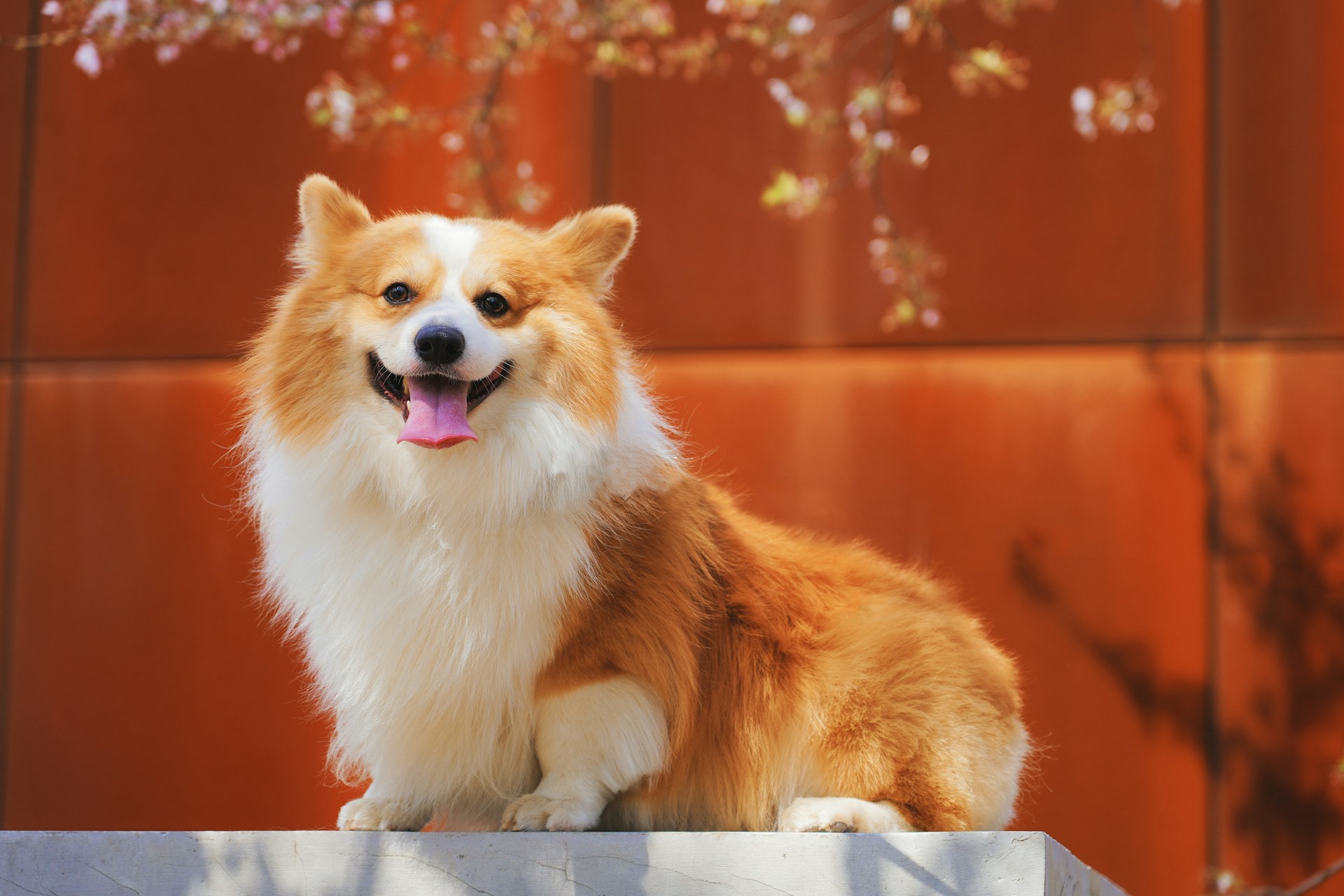




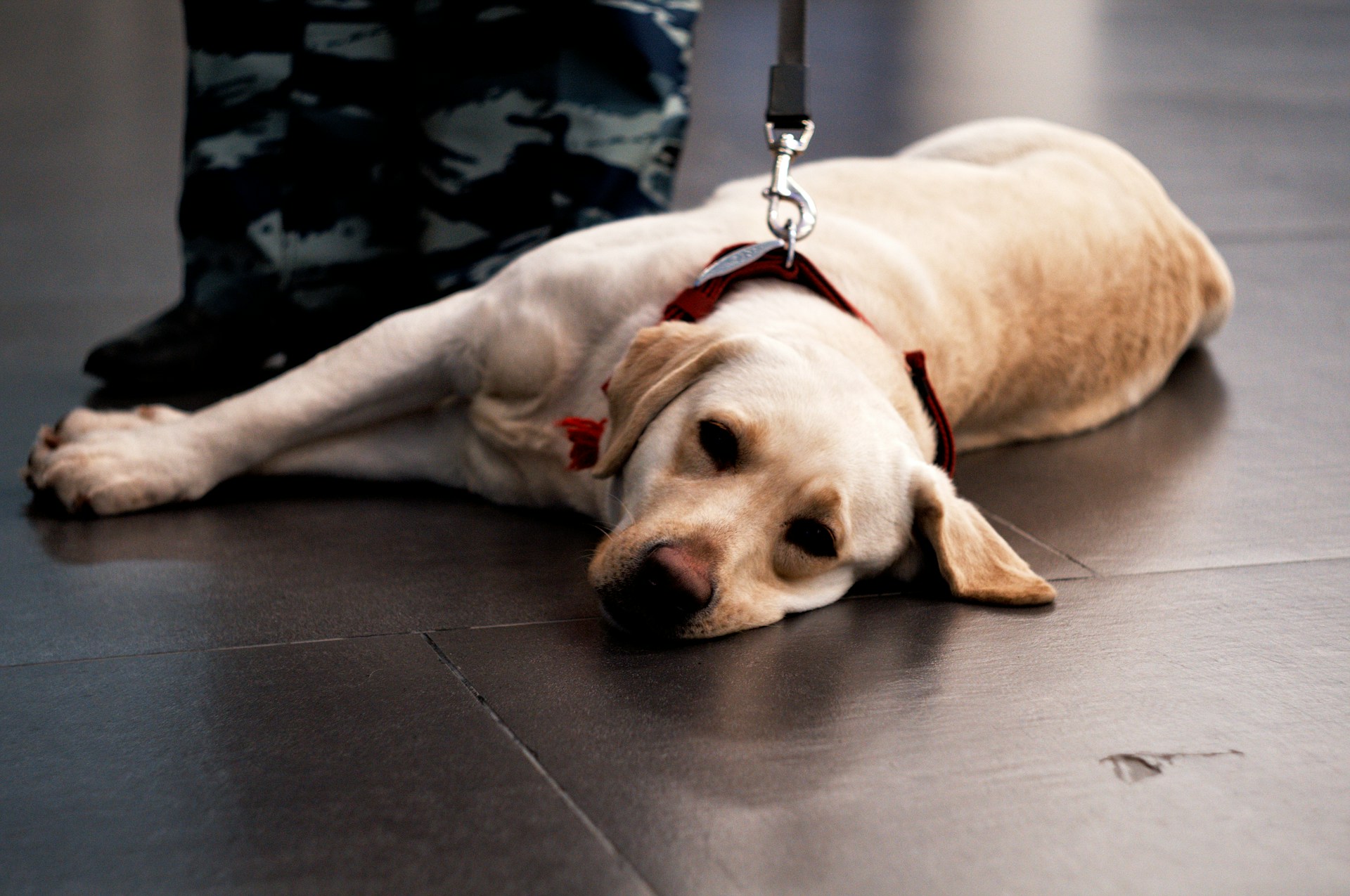
Dogs have proven their vital role in our lives! Whether they are pets or service dogs performing valuable tasks, rescue dogs, or working dogs detecting, they make our days more meaningful. Canines are also known for their intelligence and ability to understand social structures.
Scientific literature consistently shows that dogs improve mental health through measurable biological and psychological mechanisms. Petting or playing with a dog helps lower your cortisol (stress hormone) levels, and it is proven to help lower your blood pressure. Additionally, it helps reduce feelings of loneliness and isolation. Hugging and napping with a dog leads to increased oxytocin levels, which enhances bonding and emotional regulation. Oxytocin is often called the Love/Bonding Hormone and helps people feel at ease.
Dogs can be invaluable companions for adults with mental health challenges and can also help children develop their social and reading skills. They have also proven beneficial for kids dealing with trauma.
What Are the Best Dogs for Mental Health?
The consensus among dog trainers and the supporting research points to the fact that the dog’s temperament is more important than their breed when it comes to pairing an individual with the right service/assistance dog, therapy dog, or an emotional support dog.
A good candidate for service dog work needs to show a calm and stable temperament and trainability. The best candidates for specialized dog training are puppies who stay comparatively calm under stress, recover quickly from surprises, and are naturally attentive in human-dog interactions. You should screen for a dog with enough stamina to work but not so much drive that they become overstimulated.
• Medium energy is ideal in most cases, and you should carefully pair the temperament of the dog with their user/handler.
• Medium to large dogs are often preferred for grounding tasks (like deep pressure therapy), but smaller breeds can work perfectly fine if their user/handler feels more comfortable with smaller breeds and their lifestyle is suitable.
• A mental health support dog is a lifelong partner. You may want to opt for a dog with good orthopedic health, no predisposition to chronic anxiety, and a projected lifespan that allows years of work.
• Dogs who become overwhelmed by touch, noise, or busy environments are not good candidates for service dog work in most cases.
Pairing the right dog with the right person takes time, as you need to consider the lifestyle of the user, the dog’s temperament and needs, and any potential health concerns in the future.
Good Breeds for PTSD Service Dogs
While any individual dog can be therapeutic, several breeds appear repeatedly in scientific and clinical contexts because of their calm temperament, emotional attunement, and adaptability. Below, we will briefly explain why these breeds are often favored.
A Labrador Retriever is what most people may envision when they hear “service/assistance dog” in a conversation. These dogs are excellent at using deep pressure therapy (tactile stimulation to aid regulation of the nervous system) and encouraging a more active lifestyle. Most breed representatives have medium energy levels and are very attentive and gentle.
The Golden Retriever is famous for being highly intuitive and emotionally attuned. Most of the breed representatives are very friendly and encourage social interaction. These canines may be a good fit for people struggling with feelings of loneliness.
The Standard Poodle is exceptionally intelligent, attentive, but not needy. They have a balanced temperament and very good overall health. Poodles may be a great fit with a handler who does not like clingy dogs and is sensitive to dog fur and dandruff.
Greyhounds are known for their exceptionally calm temperament, gentleness, and low activity requirements. They can be a great fit for people who struggle with emotional overload and sensitivity to physical contact. They are long-lived and can be lifelong companions.
Best Small Breeds for Psychiatric Service Dogs
If you live in a smaller apartment or prefer smaller dogs, we have a few practical recommendations. The best small dog for mental health isn’t just the friendliest one; it’s the one whose energy level matches your emotional needs and daily rhythm.
The Cavalier King Charles Spaniel is famously gentle, affectionate, and people-oriented. These dogs are best paired with handlers who seek physical closeness and struggle with anxiety. Most breed representatives tend to be calm and low-energy, which can make them a good choice for people who need steady emotional support.
The Havanese canines are cheerful, social, and devoted. They quickly adapt to all kinds of living environments and require very little grooming. These dogs are generally upbeat and gentle companions. The breed is famous for being attentive without having overwhelming energy.
The Bichon Frise is affectionate, people-oriented, and sociable with strangers. These dogs are low-maintenance and can be a good fit for handlers looking to improve their social relations and for a low-maintenance dog. These furry friends are calm companions that can help reduce anxiety in public settings and offer cheerful companionship.
Where to Buy a Psychiatric Service Dog
Psychiatric service dogs (also called assistance dogs) may be sold through for-profit companies and may be acquired through charities. Additionally, countries like the United Kingdom, the United States, and the Netherlands make it possible for individuals to owner-train their service dogs. Buying a pre-trained service dog from a for-profit facility can cost thousands of pounds depending on your requirements and how long the pairing process takes. Adopting a pre-trained service dog through a charity may cost you a symbolic amount, as the costs are usually covered by donations and grants, but you do have to be mindful of long waiting times (2-3 years in some cases).
Service dog training can take anywhere between 6 months and two years or more. The process involves screening puppies and assessing their temperament, health, and overall suitability. The puppies are later placed into foster homes where they begin basic training and socialization. This is followed by advanced task training and public manners. Not all dogs complete service dog training, and some may be transitioned into therapy dog work. Handlers also receive education and go through a careful matching process, which can take several months. Simply put, service/assistance dog training takes a lot of time and work, both of which contribute to the final cost.
Sometimes the costs are prohibitively high, and it may be a good idea to consider a more flexible and affordable option, such as a well-structured owner/self-training program. There is a growing interest in self-trained service dog courses, but they are not always the best fit. Professional service dog training has its advantages and disadvantages, so we recommend carefully looking into your options and how they may fit your goals and requirements.
How Effective are PTSD Service Dogs?
There is a lot of evidence that shows dog ownership helps build coping skills in people with PTSD, especially veterans paired with service dogs. A study from December 2025 published in Frontiers of Veterinary Science shows that PTSD service dogs enable significant reductions in PTSD symptoms and improve social integration and family functioning. However, major institutions emphasize that overall research is still limited, and dogs should be viewed as a complementary form of support, not as a replacement