



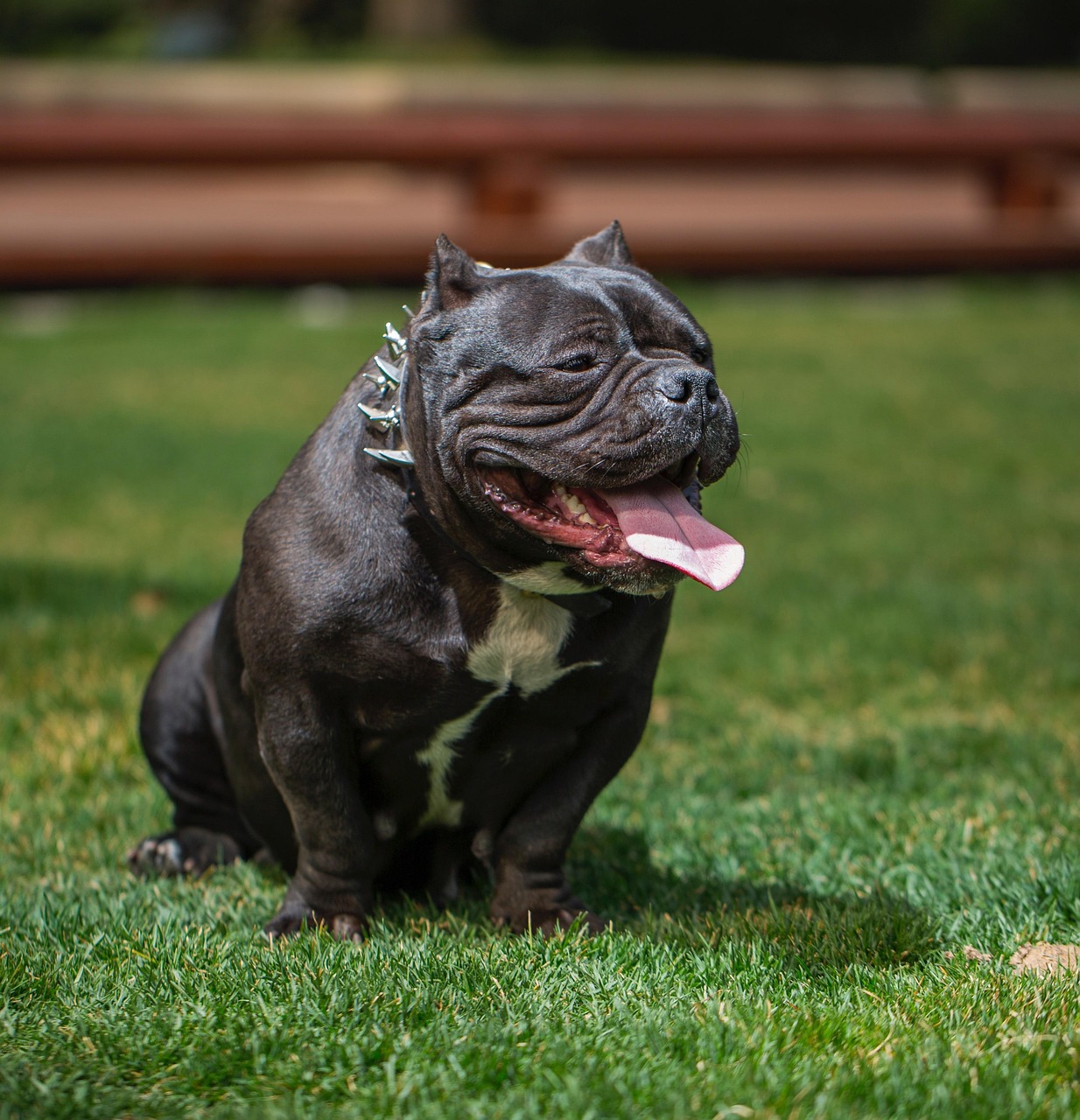
The UK currently prohibits five dog types: Pit Bull Terrier, Japanese Tosa, Dogo Argentino, Fila Brasileiro, and XL Bully. If you have a dog that might fit into the XL Bully category, we recommend reviewing the XL Bully conformation standard. Additionally, dogs that belong to mixed breeds that include Pitbull heritage can still be banned under the discretion of your local city council. Should you be looking to avoid problems with the local law enforcement, then we recommend you review the guidance for enforcers published by the Department for Environment, Food & Rural Affairs (DEFRA).
How to Get a Banned Dog Added to the Exceptions (Practical Steps)
To have a banned dog kept legally, you must obtain a court-issued Certificate of Exemption. That means your dog would be added to the Index of Exempted Dogs and be given the Exempt Status. The exempt status is legal and means your dog meets strict lifetime conditions. These five breeds are the types prohibited under the Dangerous Dogs Act 1991 and subsequent designation orders. The law focuses on appearance/type rather than kennel-book breed names.
You cannot apply directly to “add” your pooch to the exempted list. Instead, you must ask a court to exempt your dog by proving it is not a danger and that you are a fit and proper keeper. If the court is satisfied, it may place the dog on the Index of Exempted Dogs and issue a Certificate of Exemption. As of February 2024, DEFRA has reported that there are 38,424 exempted XL Bully dogs, 3,079 exempted Pit Bull Terriers, 20 Dogo Argentinos, 3 Japanese Tosa, and there are no Fila Brasilieiro.
Step-by-Step Process to Obtain Certificate of Exemption
If your dog is seized by local law enforcement forces or challenged by your local community, the police or council dog warden will follow the Dangerous Dogs Act procedures. A seizure can occur in public without a warrant. The police may need permission from a court to seize your dog if the canine is not acting dangerously and there have not been any complaints from the community.
Following the seizure, you (the owner) must attend court and prove the dog is not a banned type or that it does not pose a danger. The burden of proof is on the owner. You can use documentary evidence, professional behaviour assessments by a qualified, accredited dog behaviorist (or clinical animal behaviorist), training records from reputable trainers, video evidence of the calm behavior of the dog in various settings, and agree to comply with strict lifetime conditions.
These conditions include:
- Your dog will have to be neutered;
- Your dog will have to be fitted with a microchip;
- Your dog has to be kept on a lead and muzzled at all times when in public;
- Your dog will have to be kept in a secure place so it cannot escape.
As the owner, you must:
- Take out insurance against your dog injuring other people;
- Be aged over 16;
- Show the Certificate of Exemption when asked by a police officer or council dog warden, either at the time or within 5 days;
Let the Index of Exempt Dogs know if you change address, or your dog dies at:
Index of Exempted Dogs
dogsindex@defra.gov.uk
Telephone: 020 8026 4296
“Dogs Index”
PO Box 68250
London
SW1P 9XG
Resolution of the Court
A police or council dog expert will judge what type of dog you have and whether it is (or could be) a danger to the public. Your dog will then either be released or kept in kennels while the police (or council) apply to a court. You’re not allowed to visit your dog while you wait for the court decision.
If satisfied, the court can place the dog on the Index of Exempted Dogs and issue a Certificate of Exemption (sometimes called contingent destruction/exemption orders) with lifetime conditions. If refused, the court may order destruction and/or conviction with penalties (fine and/or imprisonment) under the Dangerous Dogs Act. The maximum penalty for illegal possession of a banned dog is a fine of 5,000 GBP and/or 6 months imprisonment.